
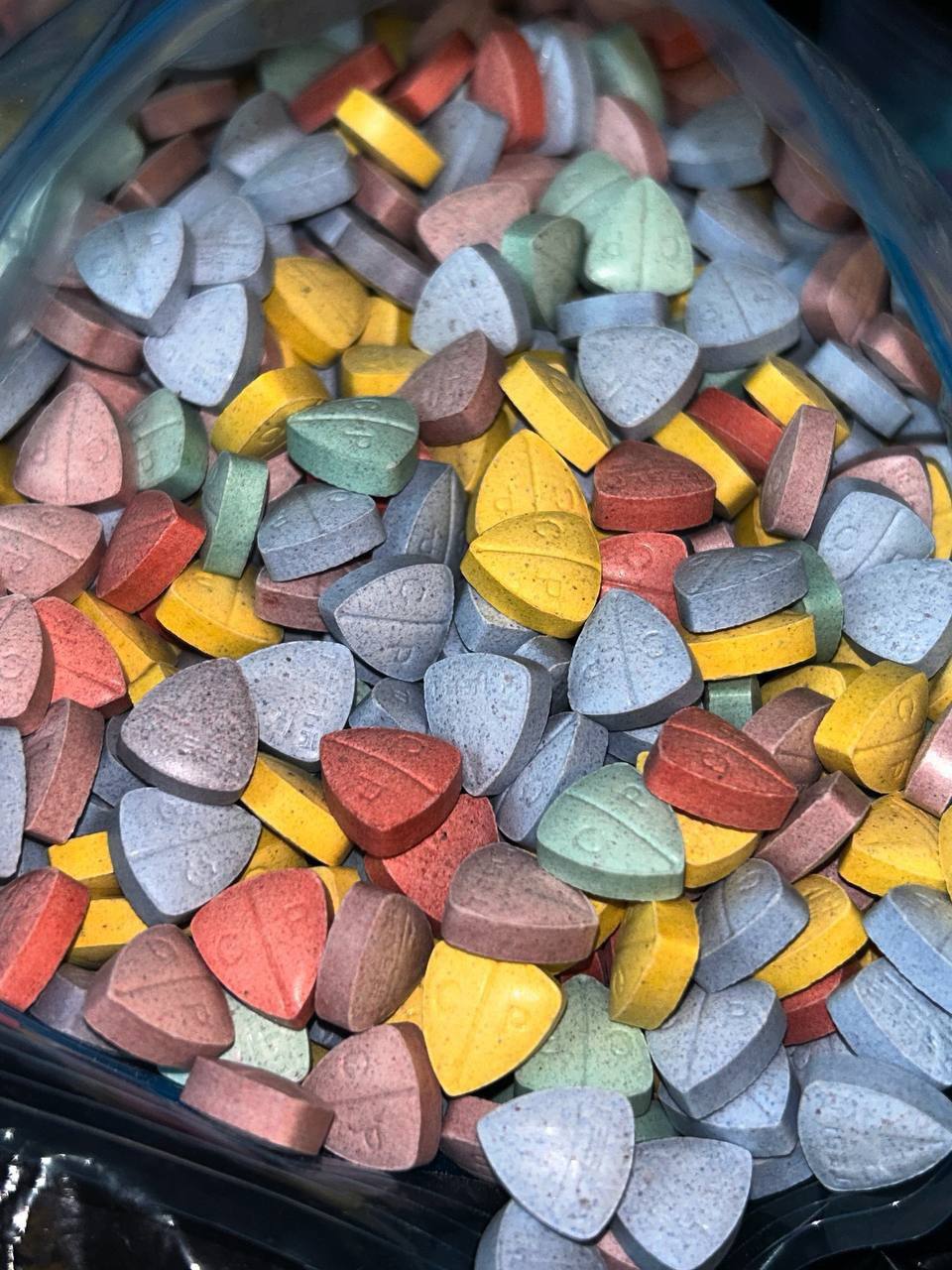

MDMA For Sale

$260.00
MDMA is a type of psychedelic drug called a tryptamine. It can be found in many different kinds of plants and at least one kind of toad, the Sonoran Desert toad. It has been used as an entheogen in South America, just like its close relatives MDMA and bufotenin. Five-methoxy, The power, and Toad venom are all slang words.
MDMA For Sale: where to get mdma, Benefits, How It Works & Safety Information
Vaporizing or taking MDMA Pills is the most common route of administration. The effects are usually felt within the first 30 seconds after consumption, peaking from 1-15 minutes and lasting for up to half an hour. When taking synthetic MDMA, a threshold dose is around 1-2 mg, while a moderate-to-strong dose is 5-10 mg. When naturally derived, the threshold dose is 5-10 mg and a moderate-to-strong dose is 20-40 mg. Where To Get MDMA In USA and Australia
When swallowed, doses are generally higher, but also show generally unreliable results. Other less common routes of administration include sublingual (under the tongue) and injection. Where To Get MDMA In USA and Australia
MDMA FOR SALE IN USA AND AUSTRALIA
The effects of MDMA come on strong, often with a loss of physical coordination and control. Users experience bright colors, moving environments, or recursive patterns, and perhaps even “environmental orbism” at higher doses. However, visual effects are limited. Unlike DMT, 5-MeO-DMT, MDMA isn’t known for its visionary properties. The experience is more often described as a “perspective shift” characterized by physical, emotional, and conceptual effects.
One of the most common features of the MDMA experience is the enhancement of tactile awareness, which can reach the point of sensory overload. The body may also feel heavier. Intense emotions are typical, ranging from extreme fear to euphoria. During the onset, anxiety or excitement are often felt. It’s also common to experience an overwhelming sense of oneness with the universe, or a sense of being outside of time and space while simultaneously experiencing the totality of both. Ego death is also typical of the MDMA experience. Other effects include auditory hallucinations, time distortion, nausea, and memory loss.
1. What Is Ecstasy (MDMA)?
- Explain MDMA and common names
- Difference between ecstasy pills and MDMA
- Why people seek information about it
2. Why Do People Use Ecstasy?
- Social and emotional effects people report
- Party and nightlife association
- Scientific background
3. How Does Ecstasy Affect the Brain and Body?
- Serotonin, dopamine, and mood changes
- Short-term physical effects
- Emotional effects
4. Potential Risks and Side Effects of Ecstasy
Cover:
- Increased heart rate
- Dehydration
- Overheating
- Anxiety and mood changes
- Possible long-term concerns
5. Why Ecstasy Pills Can Be Unpredictable
- Unknown ingredients
- Different potency levels
- Risks from substances sold as MDMA
6. Signs Someone May Need Help
- Physical warning signs
- Behavioral changes
- When professional support may be needed
7. Common Questions About Ecstasy (FAQ Schema)
Examples:
- What is ecstasy made of?
- How long does MDMA stay in the body?
- Is ecstasy addictive?
- What are the risks of taking ecstasy?
••Why is ecstasy considered dangerous?
Conclusion
MDMA is an important medication with a long history in anxiety treatment. While it has helped many patients, it must be used carefully due to possible side effects and interactions with other medicines.
Anyone considering MDMA treatment should consult a qualified healthcare professional for accurate diagnosis, appropriate guidance, and safe medical care.
Understanding what MDMA is, how it works, and where to seek reliable vendor is the best way to make informed decisions.


Reviews
There are no reviews yet.